
The Science Behind Lighting: Why Your Space Feels “Off”
You can have the nicest furniture, a great layout, and still walk into your space and think… something feels off.
Most of the time, it’s not the design. It’s the lighting.
Lighting isn’t just about visibility — it directly affects how a space looks, feels, and even how your body responds to it. And it’s one of the most overlooked parts of both homes and commercial spaces.
🧠 Lighting Affects More Than You Think
Light plays a huge role in how we feel throughout the day.
Cooler, brighter lighting tends to make us feel more alert and focused, which is why it’s often used in offices and workspaces. Warmer lighting, on the other hand, helps your body relax, making it better suited for living rooms, bedrooms, and restaurants. This ties into your body’s natural rhythm (your internal clock), which responds to light levels more than most people realize.
That’s why a space can technically be “well-lit”… but still feel uncomfortable.
Why Bad Lighting Makes a Space Feel Cheap
We walk into homes all the time where everything should look good — but doesn’t.
Here’s why:
Overhead-only lighting creates harsh shadows and flat-looking rooms
Uneven lighting leaves parts of the space too dark and others too bright
Wrong bulb colour can make a home feel cold… or overly yellow
Too much lighting can actually make a space feel sterile and uncomfortable
Lighting is one of those things you don’t always notice when it’s done well — but you definitely feel it when it’s not.
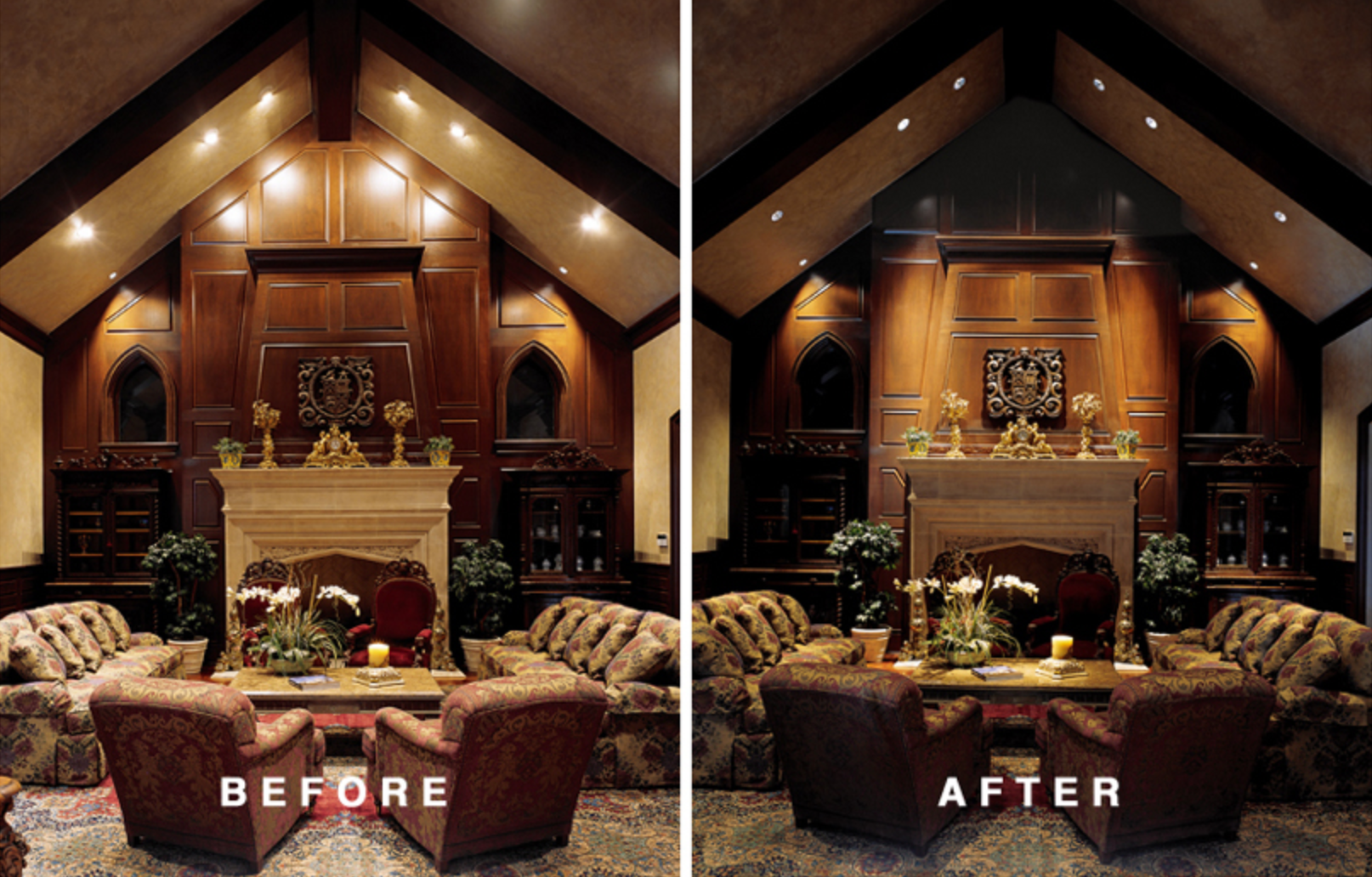
Overhead only lighting (left) vs. Layered Lighting (right)
The 3 Types of Lighting Most Homes Are Missing
One of the biggest issues we see is that most spaces rely on just one type of lighting.
A well-designed space should include:
Ambient lighting – your main source (like ceiling lights or pot lights)
Task lighting – focused light for specific activities (kitchen counters, vanities, desks)
Accent lighting – adds depth and highlights features (under-cabinet lighting, wall features, etc.)
Most homes we walk into only have ambient lighting — and that’s why the space can feel flat or unfinished.
Color Temperature: The Detail That Changes Everything
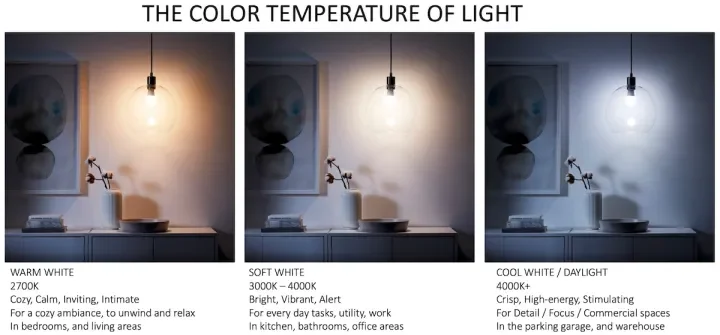
Not all light is the same — and this is where things often go wrong.
2700K–3000K → warm, soft, cozy
3500K–4100K → neutral, balanced
5000K+ → cool, bright, almost clinical
We’ve seen homeowners install the wrong colour temperature and not understand why their home suddenly feels like a hospital… or the opposite — too dim and yellow.
Getting this right makes a bigger difference than most people expect.
Common Lighting Mistakes We See All the Time
This is where experience really comes in.
Some of the most common issues we run into:
Pot lights placed in the wrong spots, creating awkward shadows
Too many lights packed into one area
No dimmers (which limits flexibility completely)
Poor lighting in kitchens and bathrooms, where it actually affects how the space functions
These aren’t always obvious during installation—but you definitely notice them after.
Simple Fixes That Make a Big Difference
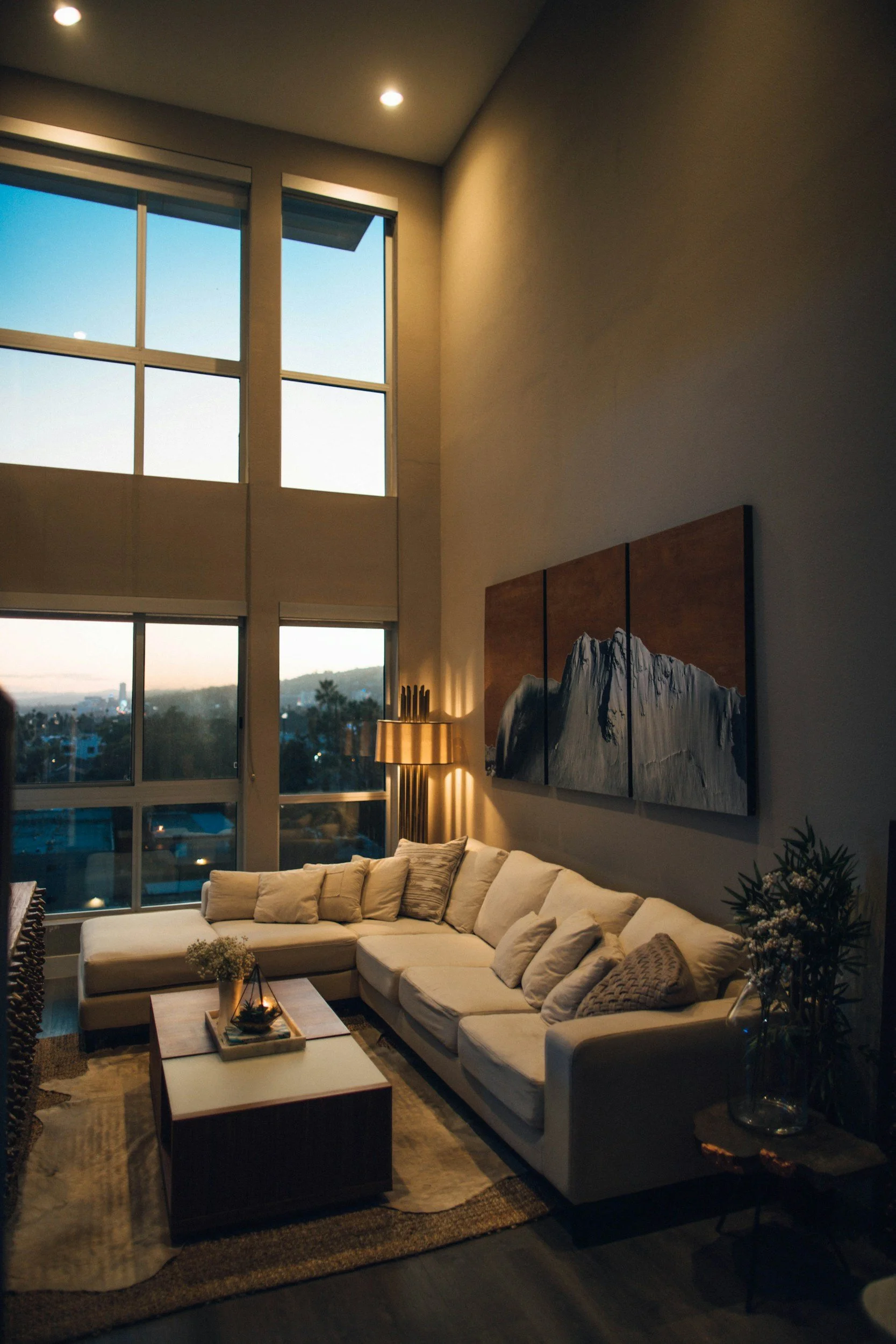
The good news is, you don’t always need a full overhaul to improve your lighting.
A few small changes can go a long way:
Add dimmers to control brightness and mood
Swap out bulbs for the right color temperature
Install under-cabinet lighting in kitchens
Use lamps and layered lighting instead of relying only on ceiling fixtures
These are simple upgrades that can completely change how your space feels.
Final Thoughts
Lighting is one of the most powerful parts of any space. It affects how your home looks, how it feels, and how you experience it day to day. And in commercial spaces, it can even impact how people behave, shop, or stay. If your space feels like it’s missing something, it might not be your furniture or layout. It might be your lighting.
Reach out to us at Kraken Electric to see what we would recommend for your space for free.